







Search Results for: Extraction Details
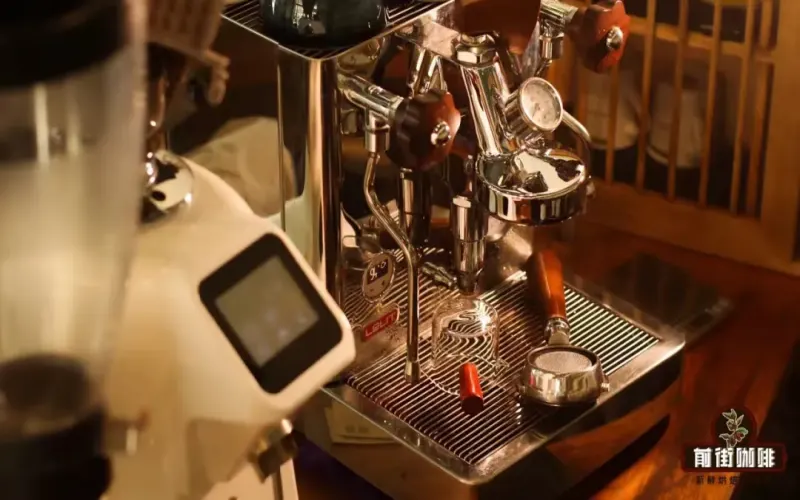
Espresso Extraction Details and Tamping Pressure Standards: Front Street Reviews Six Commonly Overlooked Operational Points
Espresso extraction is extremely short—just twenty to thirty seconds—yet it releases a large amount of flavor compounds from the coffee beans. Because of this, even a small operational oversight can cause the flow rate to spiral out of control and the flavor to become unbalanced. Many enthusiasts follow the same parameters and imitate the same steps, yet their output still falls short of the ideal. The problem often lies in those seemingly insignificant details. In this article, Front Street Coffee systematically reviews six operational points that are easily overlooked but can significantly affect extraction results, including common issues such as a wet portafilter basket, uneven distribution, repeated tamping, knocking the portafilter, forgetting to flush, and delaying the start after locking in the portafilter. It further explains the correct understanding of tamping pressure and the standard technique, helping everyone improve the consistency of their espresso output by paying attention to the details. [more…]
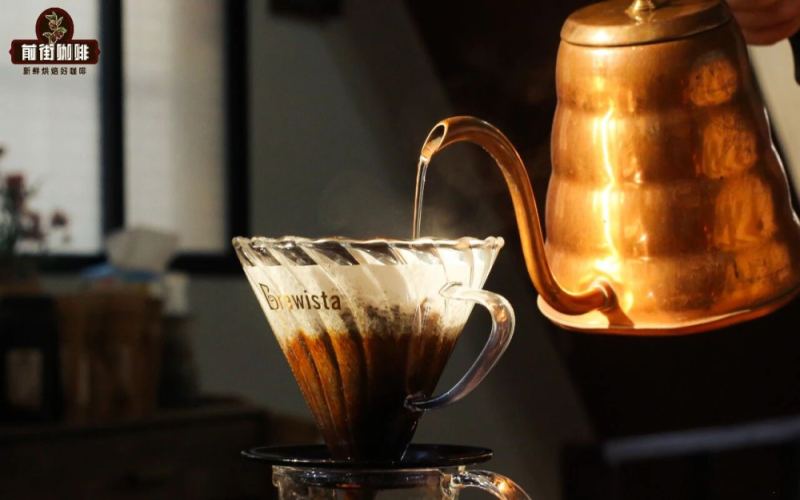
Must-Read for Pour-Over Coffee Beginners: Grind Size, Timing, and Five Easily Overlooked Key Details
Pour-over coffee seems simple, but it actually hides many details that are easy to overlook. Many beginners focus their attention on the big picture of brewing, yet often overlook details in grinding, equipment, timing, and other steps, ultimately ending up with coffee that tastes as bland as water or is burnt and bitter beyond swallowing. This article compiles five key points summarized by Front Street, covering grinder selection, grinding timing, pre-pouring checks, extraction time control, and post-brewing handling, along with Front Street Coffee bean recommendations suitable for beginners. If you are practicing pour-over, these details are worth checking one by one to help you avoid detours and brew a satisfying cup of coffee more quickly. [more…]
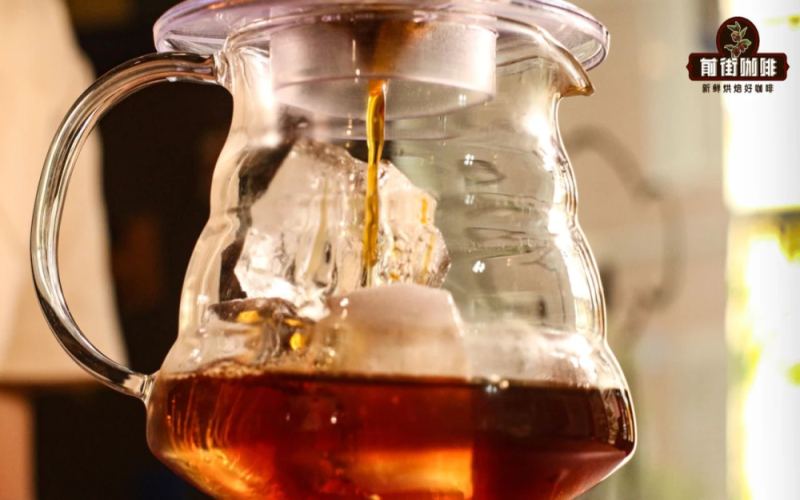
Key Points for Bean Selection and Brewing of Cold Drip Coffee: An Analysis of Five Easily Overlooked Details
Ice drip coffee is a popular cold brew drink in summer. Its operation may seem simple, yet the final flavor is often affected because details are overlooked. At Front Street Coffee, we have found in our daily brewing that every step, from bean selection strategy to coffee bed handling, and from water quality to fermentation time, has a noticeable effect on the taste of the finished cup. This article will explain five key details in making ice drip coffee, including why it is recommended to use beans that have rested for a period after roasting, why a round filter paper should be added on top of the coffee grounds basket, the practical significance of pre-wetting the coffee grounds, the impact of water quality and ice cubes on the drip rate, and why the brew needs to be refrigerated and left to stand after dripping is completed. Through sharing these experiences, we hope to help coffee lovers reduce mistakes when making ice drip coffee, so that extraction is more even and the flavor is fuller. [more…]
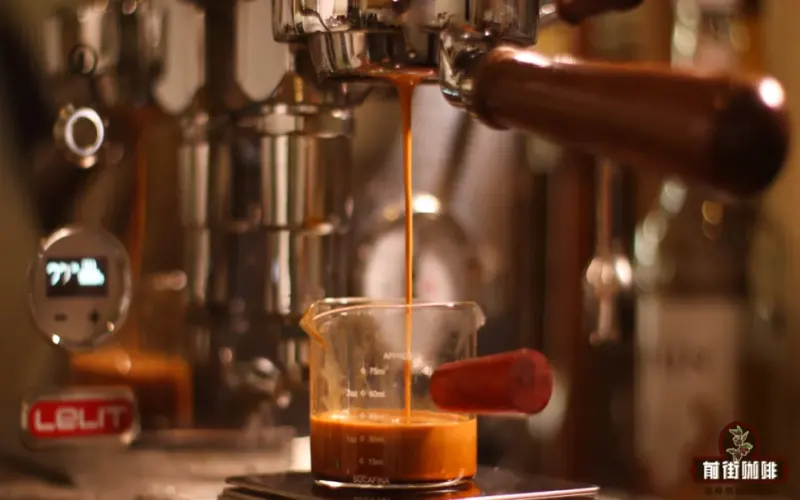
Espresso Dialing-In in Practice: Master Three Key Details to Easily Calibrate Extraction Parameters and Ratios in Three Shots
Every barista wants to quickly dial in espresso to the ideal state at the start of a shift, and the "three-shot dialing method" is precisely an efficient approach based on the underlying logic of extraction. However, merely understanding the principles of extraction is not enough. In actual practice, there are often easily overlooked details that affect judgment, leading to the waste of a large amount of coffee beans before calibration is achieved. In this article, Front Street will share three key points to note: the impact of hopper fill level on grinding consistency, how to identify and address grinding channel blockage, and how to make fine adjustments through dose or yield beyond adjusting the grind. Mastering these details, combined with a correct understanding of extraction, will make it easier to dial in espresso within three shots. [more…]

Ten easily overlooked details in pour-over coffee, Front Street breaks them down for you one by one
Many coffee enthusiasts, when brewing pour-over coffee, follow established parameters yet the final flavor often deviates from expectations—the problem usually lies in those easily overlooked operational details. Front Street Coffee has compiled ten points that beginners most often neglect, covering pre-grinding burr rinsing, filter paper fitting, tapping the dripper, checking before pouring, timing of water temperature confirmation, parameter execution, bloom saturation, focusing on the coffee bed rather than the scale, shaking for evenness, and correctly interpreting the shape of the spent coffee bed. These details may seem minor, but they directly affect extraction uniformity and the final taste. Mastering them will help you pinpoint the source of problems more quickly during troubleshooting, bringing every cup closer to the ideal state. [more…]
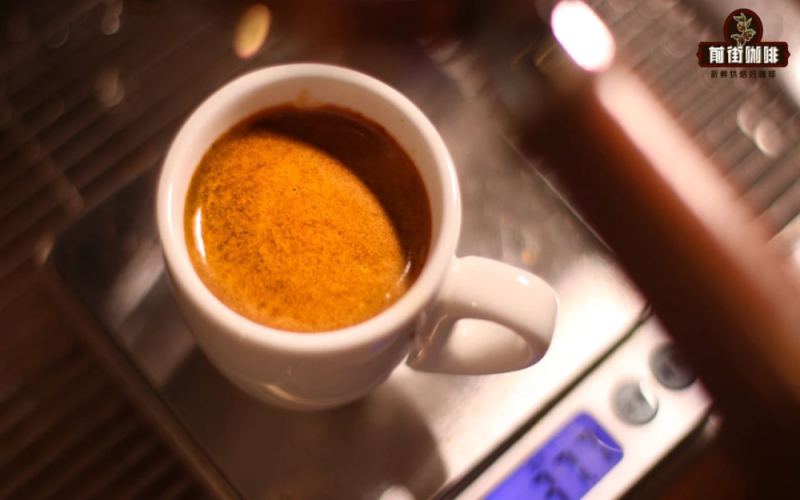
Why Pre-Release Hot Water Before Espresso Extraction? Analyzing Key Details of Coffee Machine Operation
Many coffee enthusiasts, when making espresso, often overlook a step that seasoned baristas repeatedly emphasize—letting hot water run for a few seconds before extraction. This seemingly simple action actually has a significant impact on the final flavor of the coffee. This article will explain the necessity of pre-flushing from two perspectives: brew head cleanliness and extraction stability, and through a comparative experiment at Front Street, demonstrate the specific differences that flushing versus not flushing makes on espresso taste and extraction yield. At the same time, we will also analyze why coffee machines that have been unused for a long time tend to cause extraction deviations, helping you more precisely control the quality of every cup of espresso in your daily routine. [more…]
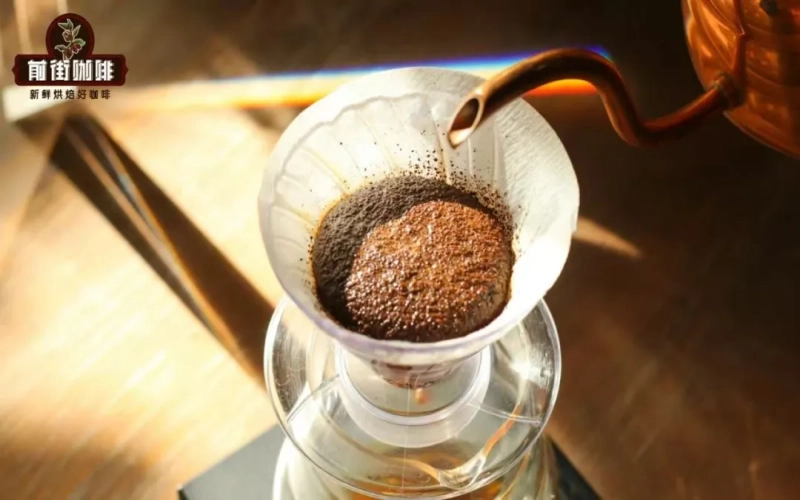
Should you rinse the filter paper with hot water before brewing? Practical details on water quality, blending, and grinder cleaning
Besides the coffee-to-water ratio, water temperature, and pouring technique, the final flavor of a cup of coffee is also influenced by many easily overlooked steps. Drawing on Front Street Coffee's practical experience, this article outlines four operational details worth paying attention to: whether the paper filter needs to be pre-wetted with hot water, how the hardness of the brewing water affects extraction, whether the coffee liquid should be swirled after dripping, and how to simply clean the grinder before grinding to avoid flavor carryover. These seemingly minor steps often inadvertently change the aroma, mouthfeel, and cleanliness of the coffee. Whether you prefer espresso or pour-over, you can find ideas here to optimize your daily brewing. [more…]
How to Make a Delicious Iced Latte: A Complete Guide from Coffee Bean Selection and Coffee-to-Milk Ratios to Brewing Details
Iced latte coffee looks like it only takes three steps to complete: add ice, pour milk, pour coffee. But to make a truly delicious iced latte, there are many considerations from material selection to operational details. This article will unfold from three dimensions: First, how to choose suitable coffee beans and milk; Front Street Coffee's specialty blend, dark cocoa blend, classic blend, commercial blend, and strawberry candy espresso each have different flavor expressions; Second, how to pair the milk-coffee ratio reasonably, using 35g espresso, 250ml fresh milk, and 75g ice cubes as a reference; Third, what easily overlooked details exist in the operation, including espresso extraction quality and the impact of production speed on layering and mouthfeel. [more…]
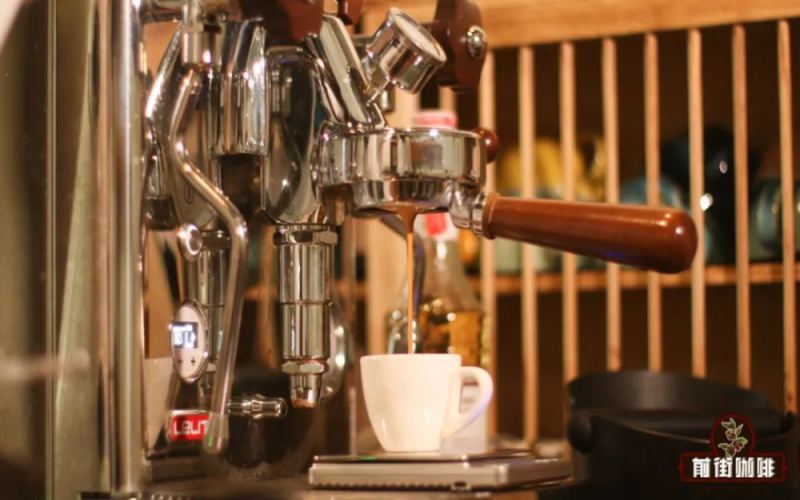
How to stabilize espresso extraction in humid climates? Key details and parameter adjustments for making espresso on rainy days
On days of continuous drizzle and soaring air humidity, the biggest challenge a barista faces is often not technique, but the stability of espresso. A humid environment can cause coffee beans to absorb moisture and lose flavor, and the pressure of the espresso machine may also be weakened, making extraction extremely unstable. This article starts from three angles—reducing bean moisture exposure, adjusting grind and dose, and increasing the frequency of parameter calibration—to sort out the operational details to pay attention to when making espresso on rainy days, helping you maintain consistency and flavor in your output even as humidity changes. [more…]
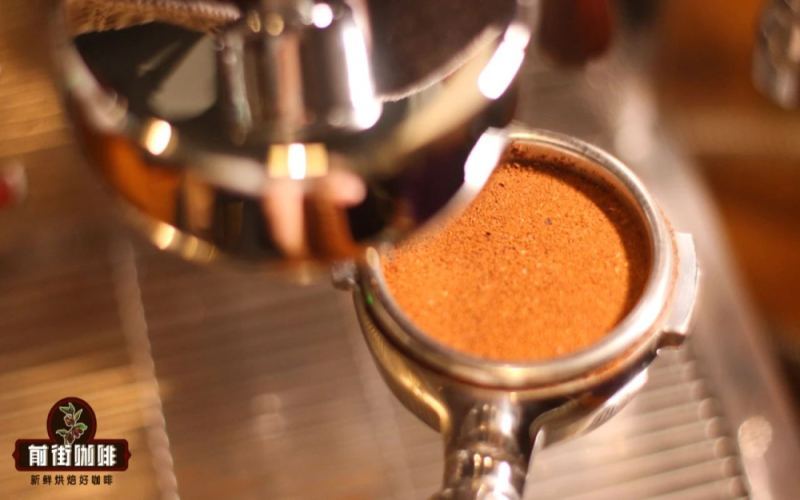
How to Make Espresso? A Detailed Explanation of the Extraction Steps, Three Layers, and Key Details
Espresso has always held a key position in café offerings, and as its soul, espresso is a core skill that every barista must master. What exactly is espresso? How should a qualified shot of espresso be extracted? Front Street Coffee will draw on practical experience, starting from the definition of espresso and its three layers, gradually breaking down the complete process of cleaning the portafilter basket, grinding and dosing, distributing the grounds, tamping, locking in the portafilter and extracting, and finally cleaning—while highlighting two key details: even distribution of grounds and recording parameters—to help coffee lovers consistently recreate their ideal espresso at home. [more…]
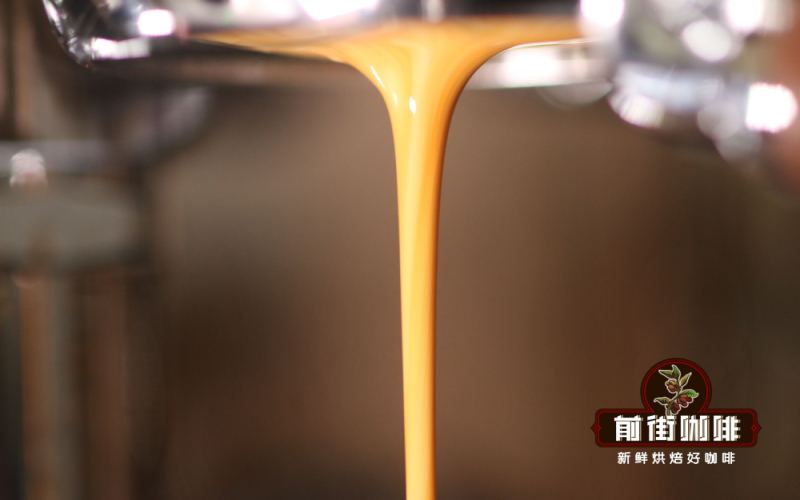
How to Make Espresso: A Full Breakdown of Brew Ratios, Steps, and Key Details
Espresso is the base for many coffee drinks such as Americano, latte, and cappuccino. It is brewed by forcing hot water at high pressure rapidly through finely ground coffee, and its surface is covered with a layer of golden crema. This article begins with the characteristics and history of espresso, then explains in detail the daily production process at Front Street Coffee stores, including extraction parameters such as dose, yield, and time, operational details such as distributing, tamping, and locking in the portafilter, as well as the influence of the four major adjustment factors—dose, grind size, yield, and time—on flavor. It is suitable for coffee enthusiasts who want to consistently make delicious Espresso at home or in a shop. [more…]
How Long Can an Iced Latte Be Stored? A Full Breakdown of the Standard Latte Ratio and Preparation Details
Iced latte may seem like a simple three-step process—add ice, pour milk, pour coffee—but making a truly delicious iced latte involves much more than meets the eye, from selecting ingredients and getting the ratios right to mastering the operational details. This article will explore three key aspects: choosing coffee beans and milk, pairing milk-to-coffee ratios, and the critical details in the production process, helping coffee enthusiasts understand the flavor control logic behind iced latte. It will also answer a common question: how long can an iced latte be kept after it's made? Using Front Street Coffee's Sunflower Warm Sun blend and Vitasoy fresh milk as examples, the article provides specific parameter references and explains how the espresso extraction state affects the entire drink, making it suitable for those looking to elevate their iced latte-making skills. [more…]

How to Choose the Water Temperature for Pour-Over Coffee? A Full Analysis of Suitable Temperatures for Light and Dark Roasts and Insulation Details
When brewing pour-over coffee, even if the water quality, technique, and timing are all normal, under-extraction can still occur, and the problem often lies with the water temperature. Beans of different roast levels have different water temperature requirements: light-roasted beans are dense and need higher water temperatures, while dark-roasted beans have a loose structure and are better suited to lower water temperatures. Front Street Coffee typically uses 91~93°C for light-roasted beans and 86~89°C for dark-roasted beans, making fine adjustments based on the condition of the beans and the grind size. In addition, details such as the pouring height and whether the kettle spout and dripper are preheated can also affect the actual water temperature, thereby changing the extraction effect. This article will analyze the logic of water temperature selection in detail and share how to maximize the efficiency of hot water through operations such as preheating, making the coffee flavor more pleasant. [more…]
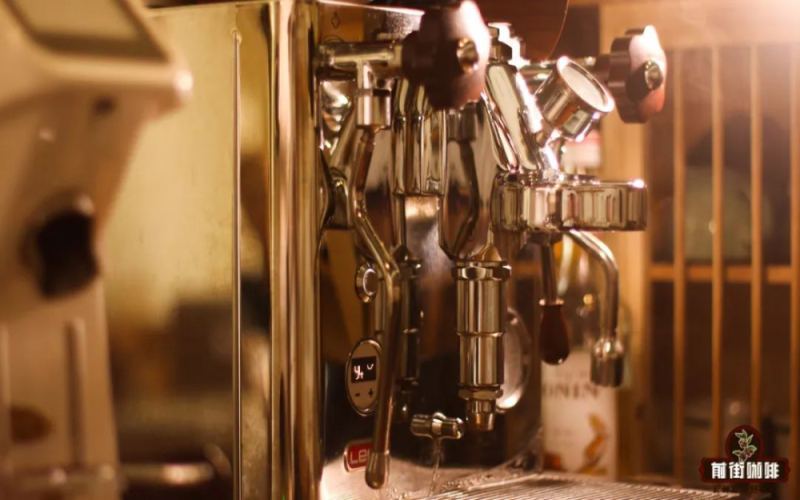
Four Key Details for Pulling Espresso: Flushing, Removing the Portafilter, Heat Retention, and Group Head Cleaning
When pulling espresso, some seemingly insignificant operational habits can, over time, have a noticeable impact on coffee quality and machine lifespan. This article compiles four easily overlooked details: why you should flush hot water before extraction, why you should remove the portafilter promptly after extraction, what hidden risks arise from leaving the portafilter locked in the group head for long periods, and how to clean the gaps in the group head. Each detail comes with specific reasons and operational advice to help coffee enthusiasts develop more standardized extraction habits, making every shot of espresso more consistent and cleaner. [more…]
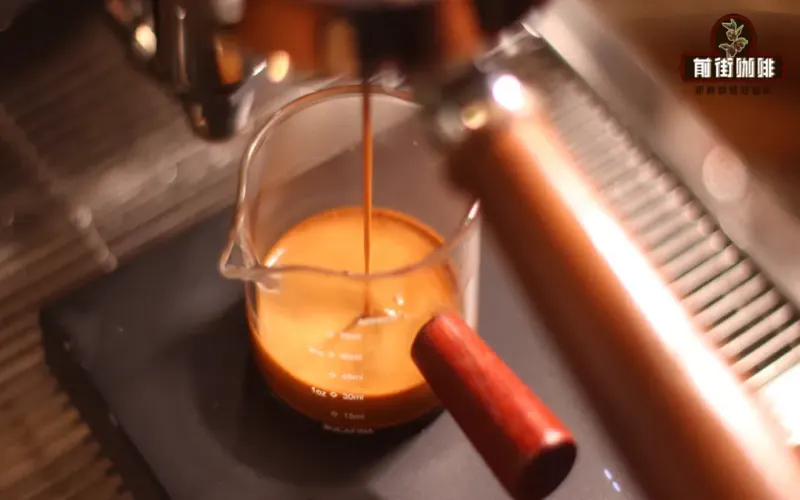
The Complete Espresso Extraction Process: Eight Key Details from Grinding to Serving That You Can't Overlook
An espresso from grinding to extraction often takes less than a minute; it seems simple, but in fact it hides quite a few subtleties. Many enthusiasts finally find an ideal set of extraction parameters during their morning dial-in, only to overlook details in subsequent operations, resulting in inconsistent output and a greatly diminished flavor. This article follows the actual order of operations and goes through, one by one, the easily overlooked points in eight stages: puck pressure, portafilter basket cleaning, observing the grounds condition, distribution and tamping, pre-flushing, knocking the portafilter, extraction timing, and cleanup afterward, helping everyone consistently get full-flavored, parameter-stable espresso on a home espresso machine. [more…]
The Complete Espresso Extraction Process: Espresso Grinder Cleaning and Analysis of Eight Key Details
An espresso, from grinding to extraction, often takes less than a minute. It seems simple, but in reality it hides many variables that affect flavor. At Front Street, we repeatedly emphasize in our daily preparation that even if a perfect set of extraction parameters has been locked in during morning calibration, the final cup can still be greatly compromised if any operational step is slightly neglected. This article focuses on the complete process of making espresso with an espresso machine, sorting out one by one eight easily overlooked details—from hopper pressure, portafilter basket cleaning, and observing the grounds output, to distribution and tamping, pre-flushing, knocking the portafilter, extraction timing, and post-use cleaning—to help coffee lovers achieve consistent results and continually obtain the ideal espresso flavor. [more…]
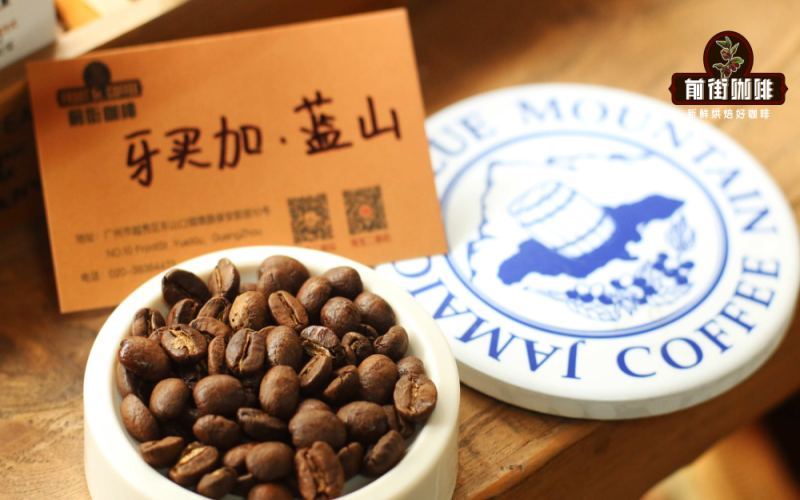
Nine Easily Overlooked Details for Pour-Over Coffee Grounds That Noticeably Improve Flavor Once Mastered
Many coffee enthusiasts, after enjoying a satisfying pour-over at a café, will buy beans to try at home, only to find the result falls short of what they had in the shop. In fact, the problem often lies not in complex techniques, but in some of the most basic details being overlooked. From rinsing the grinder before grinding and fitting the filter paper, to blooming and moistening the grounds, to observing the coffee bed while pouring, every step can affect the final flavor. Front Street Coffee has compiled nine brewing points that beginners most easily overlook, to help everyone eliminate unstable factors from the source and more accurately determine whether the coffee tastes bad due to grinding, water temperature, or pouring technique. [more…]

Judging whether espresso extraction is normal from the flow, and which details to check before extraction
While the quality of espresso must ultimately be judged by taste, the visual signals during extraction can also reveal many problems in advance. By learning to observe the operating state of the espresso machine and how the coffee liquid flows out, you can screen out a good portion of substandard shots before they ever reach your lips. This article starts with the pre-extraction equipment check, then uses the actual flow of the shot as a thread, explaining one by one the timing milestones of a normal extraction, the changes in color and flow rate, and the causes and remedies for abnormalities such as delayed flow and erratic flow rate, helping you pinpoint problems faster in your daily routine. [more…]
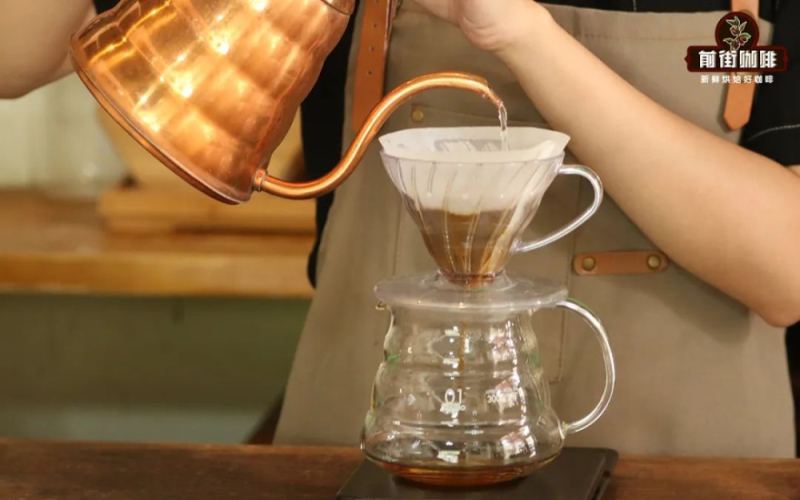
Guide to Consistent Pour-Over Coffee: Key Details from Parameter Execution to Filter Cup Preheating
The charm of pour-over coffee lies in its rich flavors, but it also puzzles many enthusiasts: why does the same beans and parameters produce a different taste every time? Front Street Coffee believes that it is nearly impossible to replicate two completely identical cups of coffee, but by controlling the details, it is entirely possible to make two cups sensorially indistinguishable. This article will start with four key steps—strictly executing brewing parameters, preheating the dripper and server, cleaning the grinder, and waiting for the drip to finish—to analyze in detail how to reduce unstable factors during brewing, helping you improve the stability and quality of your pour-over coffee. [more…]
Seven Easily Overlooked Details in Espresso Extraction: Front Street Breaks Down the Key Operational Points One by One
Espresso can be extracted in just twenty to thirty seconds, but in this brief process, a single overlooked operational detail can significantly diminish the final flavor. From cleaning the portafilter basket and dealing with clumpy coffee grounds, to the evenness of distribution and tamping technique, and even the timing of locking in the portafilter and the habit of flushing the group head, every step can become a key variable affecting espresso quality. Front Street Coffee has compiled seven easily overlooked details in making espresso, analyzing their causes and effects on extraction results one by one, and offering specific improvement suggestions to help coffee enthusiasts consistently produce a delicious cup of Espresso at home or in a café. [more…]